SPECIES INFO
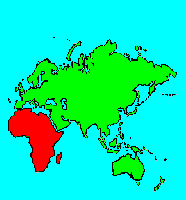
African Clawed Toad or Common platanna (Xenopus laevis) was originally used widely to determine pregnancy in human beings. This is the so-called "Frog Test" that was popular about 1960. This species is native to Africa. This frog is very aquatic, and leads a life usually totally submerged in water.Aquatic frogs or aquatic clawed frogs (Family Pipidae) are a family of 26 species of frogs that are found in Africa and South America. This is an ancient family that has been known for over 100 million years.
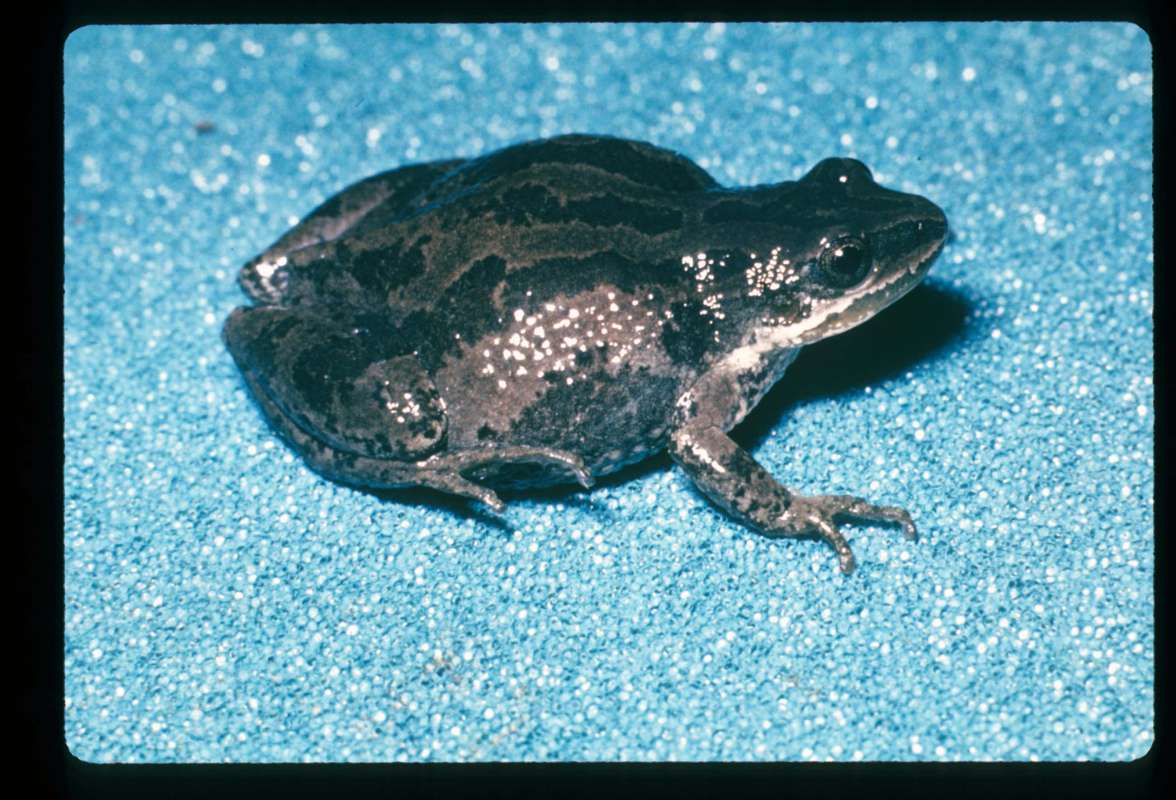
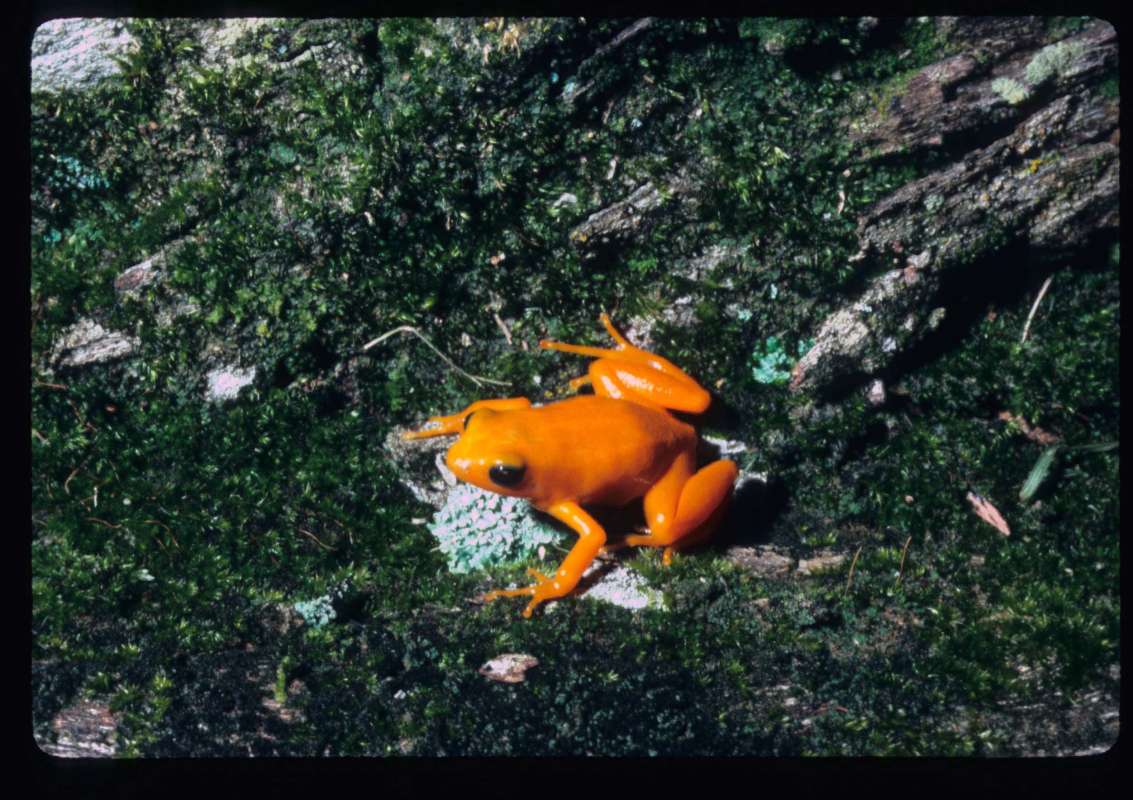
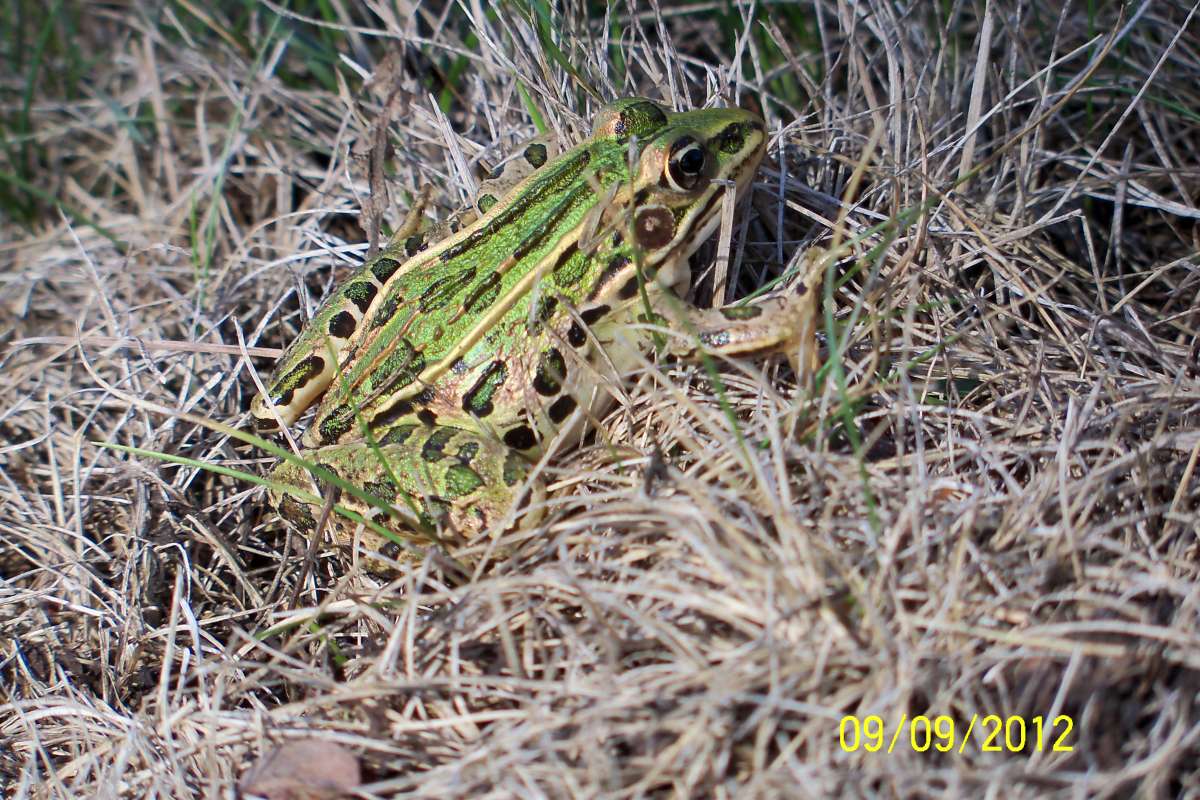
Order Anura contains the jumping amphibians such as the frogs and the toads. Chris Mattison in Frogs and Toads of the World published in 1992 gives a very good overview of this group of amphibians. He states that there are 3,445 species in 310 different genera that he believes should fall into 21 different families. The three largest families, in terms of species, are the Ranidae (Typical frogs) with 667 species, the Hylidae (tree frogs) with 630 species, and the Leptodactylidae (small to medium Neotropical frogs) with 710 species. The Bufonidae (true toads) has 335 species.
In 2011 Chris Mattison published a new work under a similar title that appears slightly different by different publishers. In this book he states that the number of species of frogs and toads in the world is now at 5,858. However, he further notes that this group of animals is in serious trouble on a world wide basis. He notes that in 2008 the IUCN noted that 398 species were critically endangered (with 37 of those probably extinct), 650 endangered, and 578 vulnerable.
Amphibians (Class Amphibia) are best known as the frogs, toads, and salamanders. Amphibians begin their life as larvae that live in the water. Some species continue to evolve so that the final forms can breathe air. A typical example, is the Bullfrog of North America that begins life as a tadpole, and then finally turns into a adult frog. Amphibians usually have a soft, moist skin, and four legs adapted for walking or jumping or climbing. They have a three-chambered heart which gives them a fairly advanced circulatory system. There are probably about 2,500 species in this class.
Backboned Animals (Phylum Chordata) are the most advanced group of animals on earth. These animals are characterized by having a spinal cord or backbone. Most members have a clearly defined brain that controls the organism through a spinal cord. Fish, amphibians, reptiles, birds, and mammals are in this phylum.
Currently, some taxonomists believe that the fish should be divided into two groups (sharks and regular fishes) and that there are some other primitive groups in the phylum such as hagfish or lampreys.
Animal Kingdom contains numerous organisms that feed on other animals or plants. Included in the animal kingdom are the lower marine invertebrates such as sponges and corals, the jointed legged animals such as insects and spiders, and the backboned animals such as fish, amphibians, reptiles, birds, and mammals.