SPECIES INFO
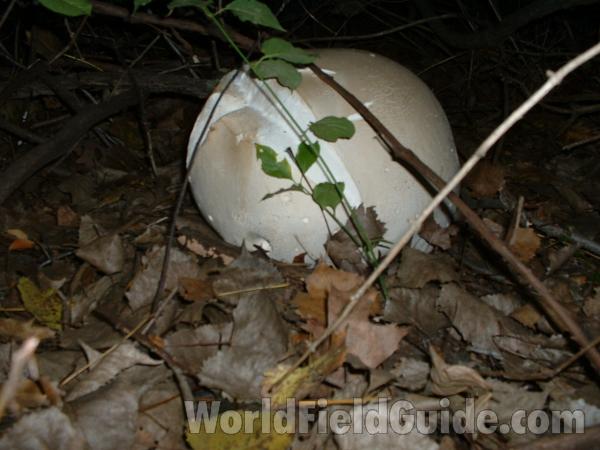
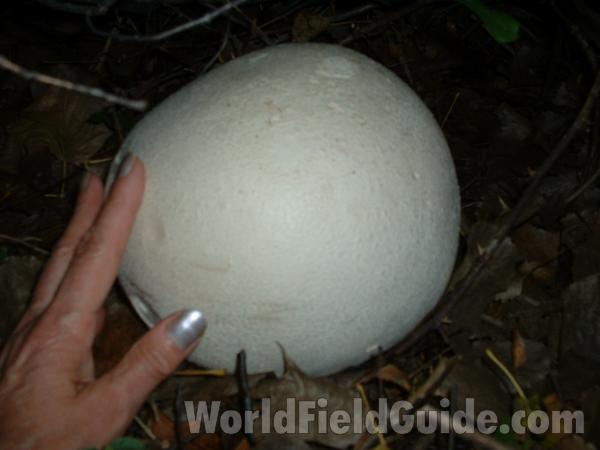
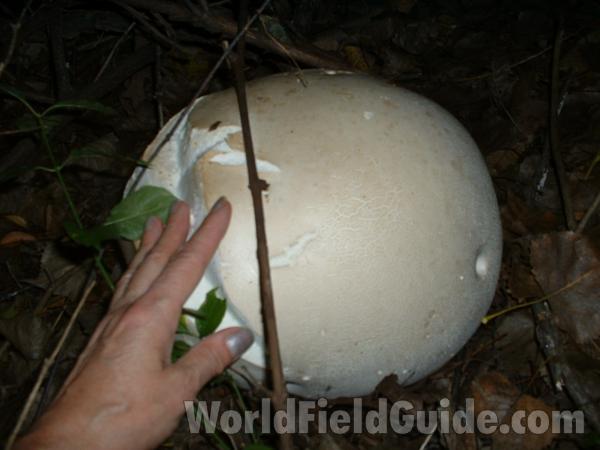
Puffballs and earthstars (Lycoperdales) generally discharge their spores through a hole at the top of the round fruiting body.
Stomach Fungi (Gasteromycetes) develop pores inside a closed fruit body (hence the name). These Fungi are usually broken into four main groups: Stinkhorns, Puffballs, Earth Balls, and Birds Nest Fungi.
Basidiomycotina is a phylum that contains most of the large fungi such as mushrooms, toadstools, puffballs, stinkhorns, coral fungi, etc. Many species in this group are deadly poisonous. Wild collected mushrooms should not be eaten as the chance of a mis-identification is very high. Most of the photographs in this group have been taken in the field by amateur photographers. There are certainly errors of identification in this group of images. This product should not be used to make decisions on edibility.
Most fungi are parasites on plants. Identification of many fungi is very difficult because their form and color is dependent on local conditions. One should not eat wild collected mushrooms as many edible species have poisonous look-alikes. Although we believe many of the species we show in this group are correctly identified, we are also aware of instances where we doubt the identification. We include these species to show the diversity of life, as opposed to a method of precise species identification.