SPECIES INFO
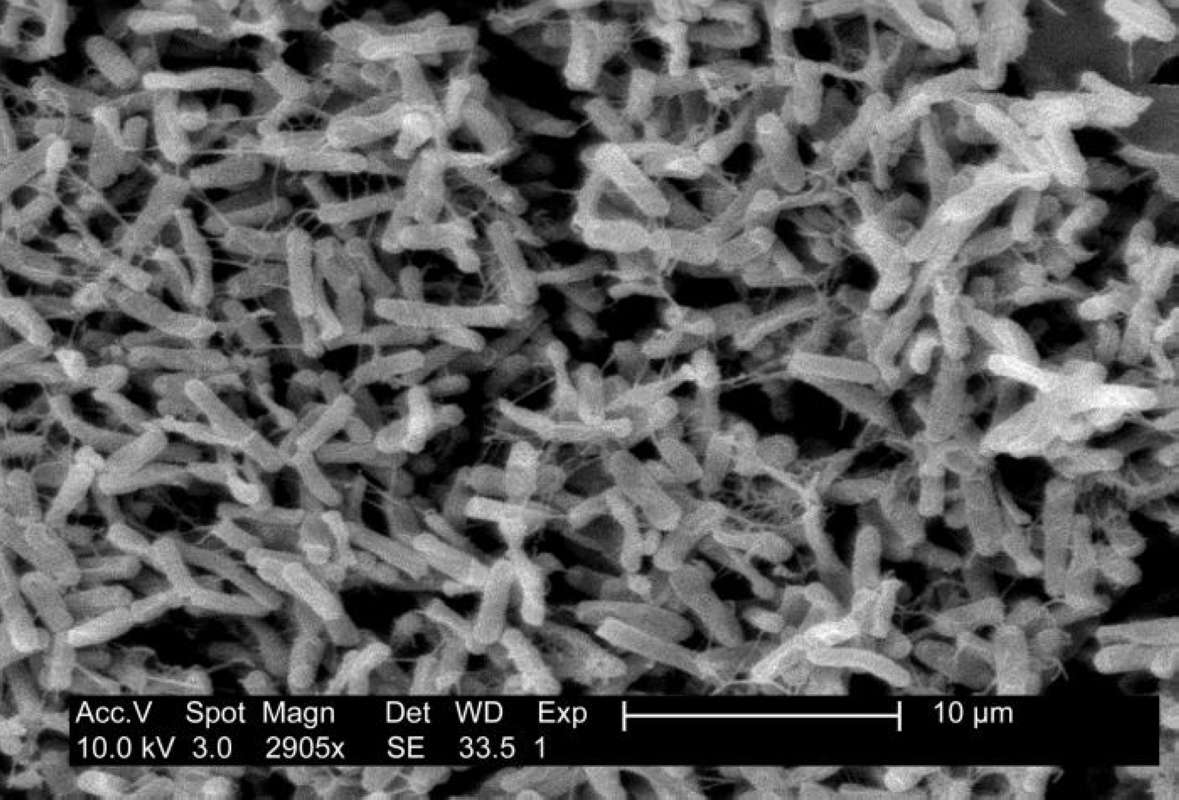
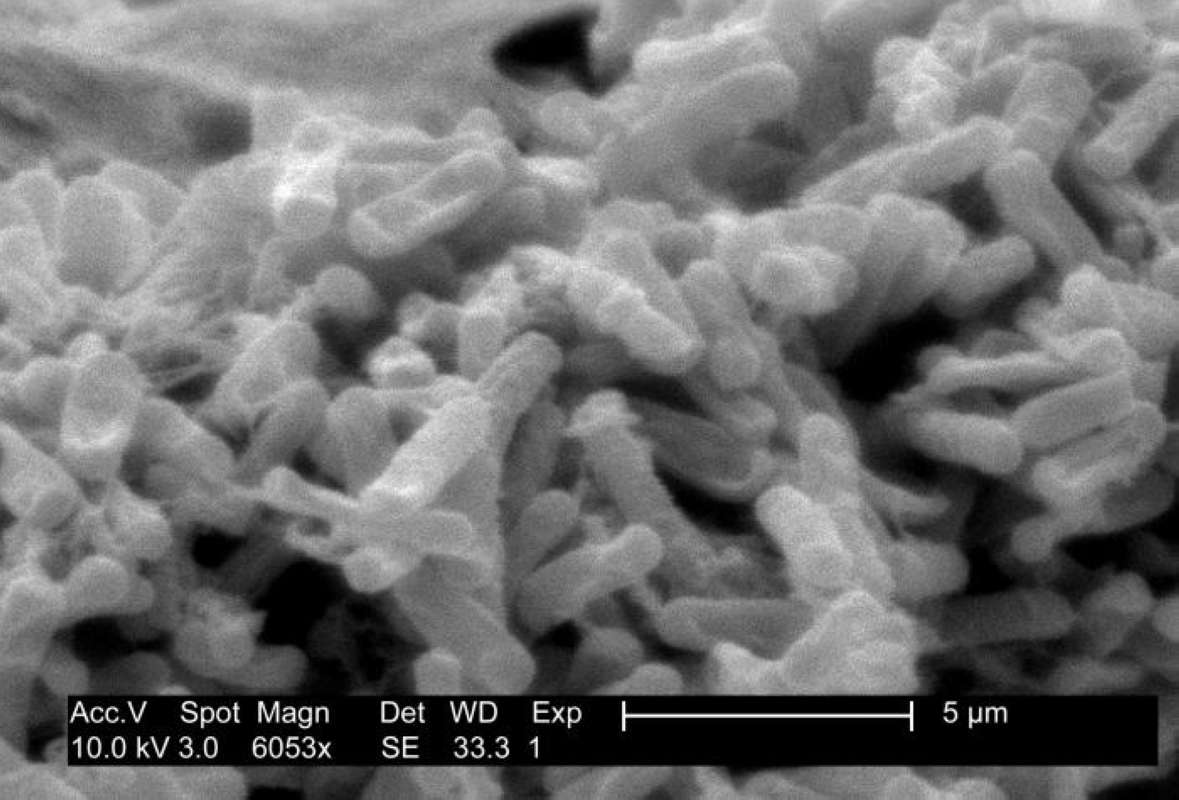
Clostridium difficile is a rod bacteria that can cause a disease entitled pseudomembranous colitis. This bacterial lifeform can cause serious intestinal diseases in patients who have been treated with antibiotics. There are numerous strains of this lifeform that produce two toxins. One toxin can kill cells, and the other toxin is not active in the intestinal tract.
This life form is quite common in nature and can be found in soils and in animal feces of hoofed animals. Once it enters a hospital, it is very difficult to remove.The Bergey's Manual gives us a methodology of some preliminary divisions of Bacteria. This is group (13) in his breakdown. These are endospore forming, gram-positive rods and cocci. Aerobic to anaerobic. Diseases caused by this group include anthrax poisoning, food poisoning, tetanus, botulism,and gangrene.
Eubacteria, the true Bacteria, is the group that contains most of the Bacteria that impact on our daily lives. Some of the diseases caused by Bacteria are: Cholera, Lyme Disease, Strep Throat, Scarlet Fever, Typhoid, Syphilis, and Gonorrhea.
Science has only begun the task or properly organizing this group of lifeforms into a taxonomy tree. The medical profession has begun with the disease causing organisms and has worked from the bottom up. They have been using various shapes and various forms of locomotion for criteria. On the other micro-biologists have been working from the top down. The result is a large open area in the middle. Here we have arbitrarily used the Bergey system for organizing disease causing bacteria in the first several classes, and have placed the algae groups in the higher classes.
Monera phylum includes the various bacteria. These are somewhat cellular organisms, but they lack a cell nucleus. Many of these organisms cause serious illness in humans. The diseases include Botulishm, Cholera, Diptheria, Gonorrhea, Lyme Disease, Plagues, Salmonellosis, Syphilis, Tetanus, Typhoid, and TB.
Monera kingdom includes the various bacteria. These are somewhat cellular organisms, but they lack a cell nucleus. Many of these organisms cause serious illness in humans. The diseases include Botulishm, Cholera, Diptheria, Gonorrhea, Lyme Disease, Plagues, Salmonellosis, Syphilis, Tetanus, Typhoid, and TB.