SPECIES INFO
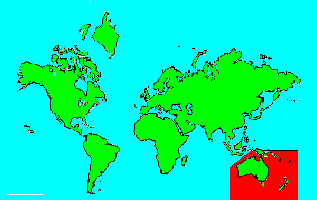
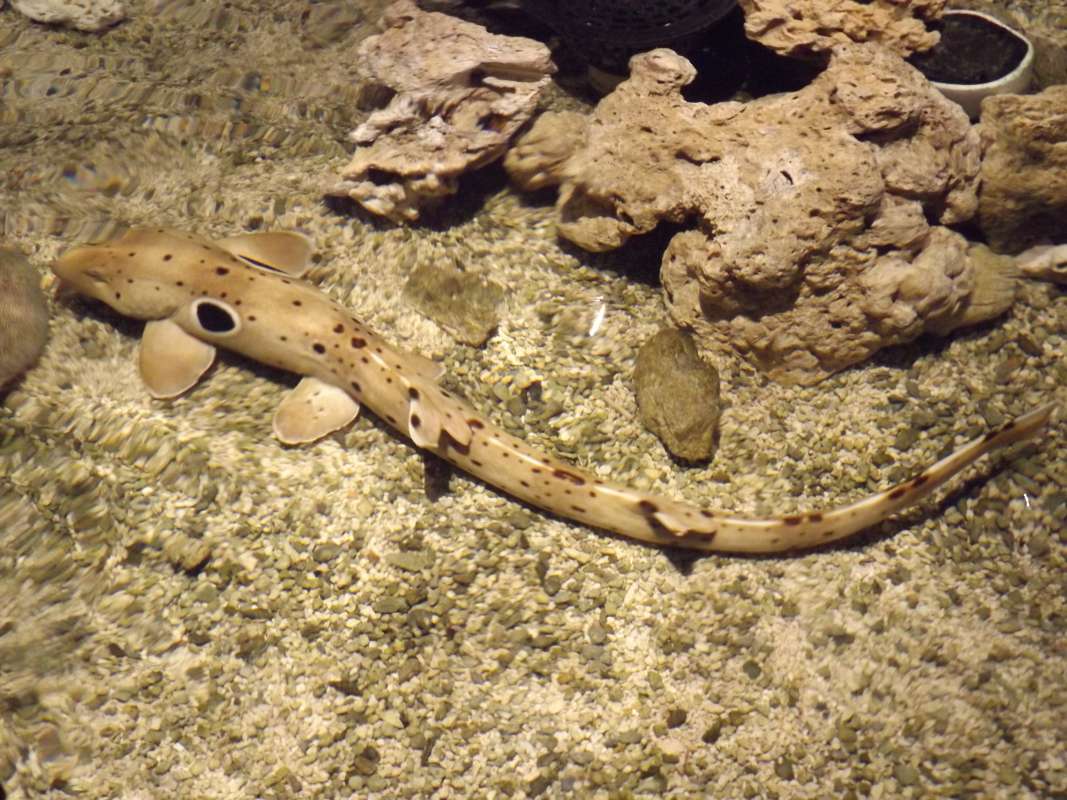
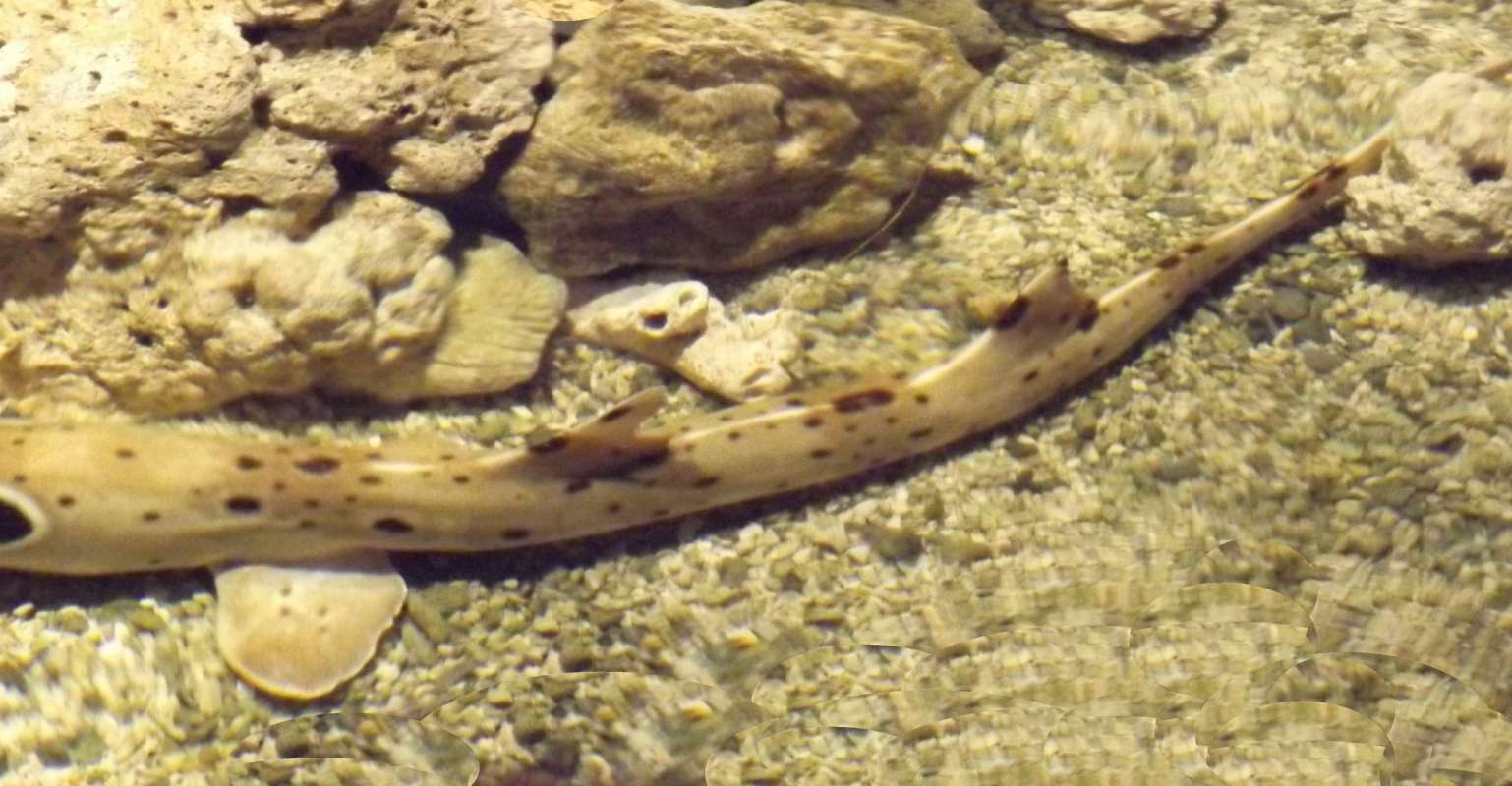
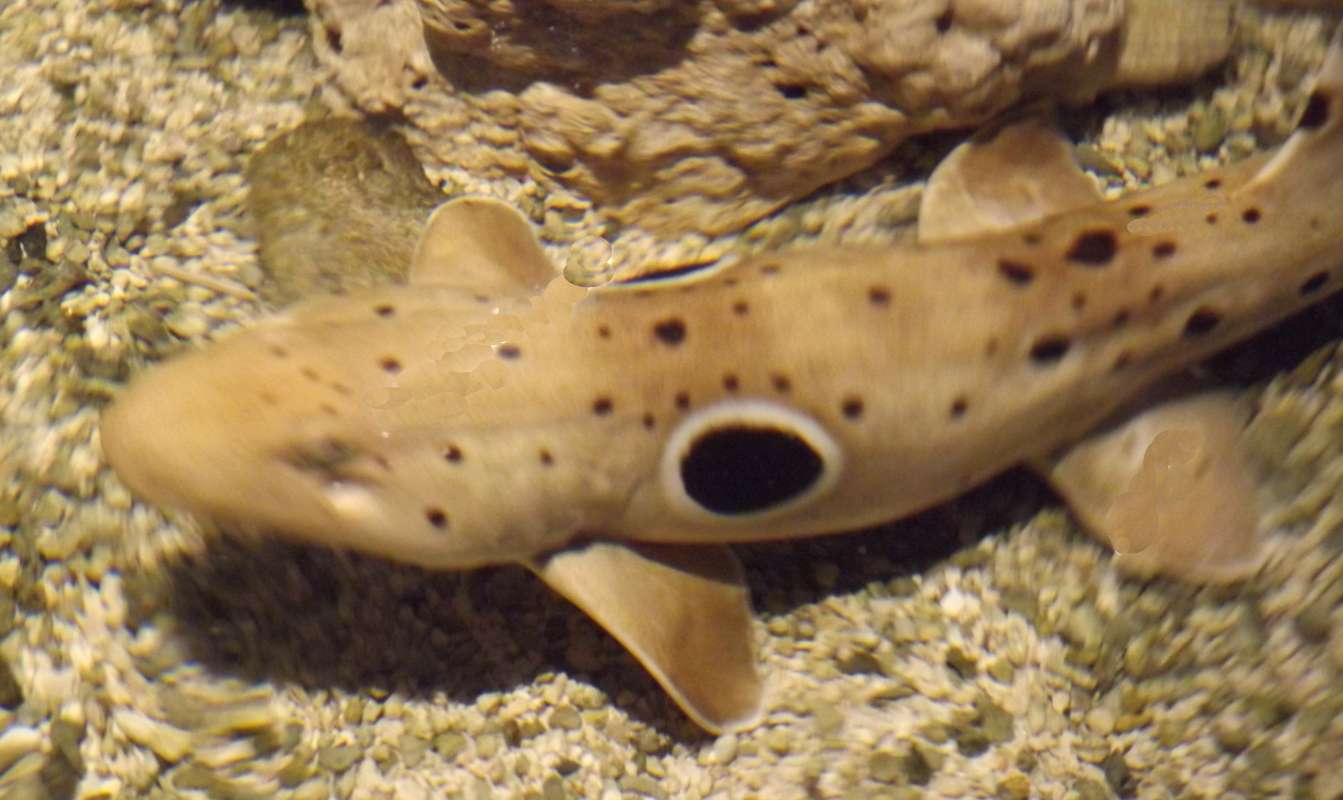
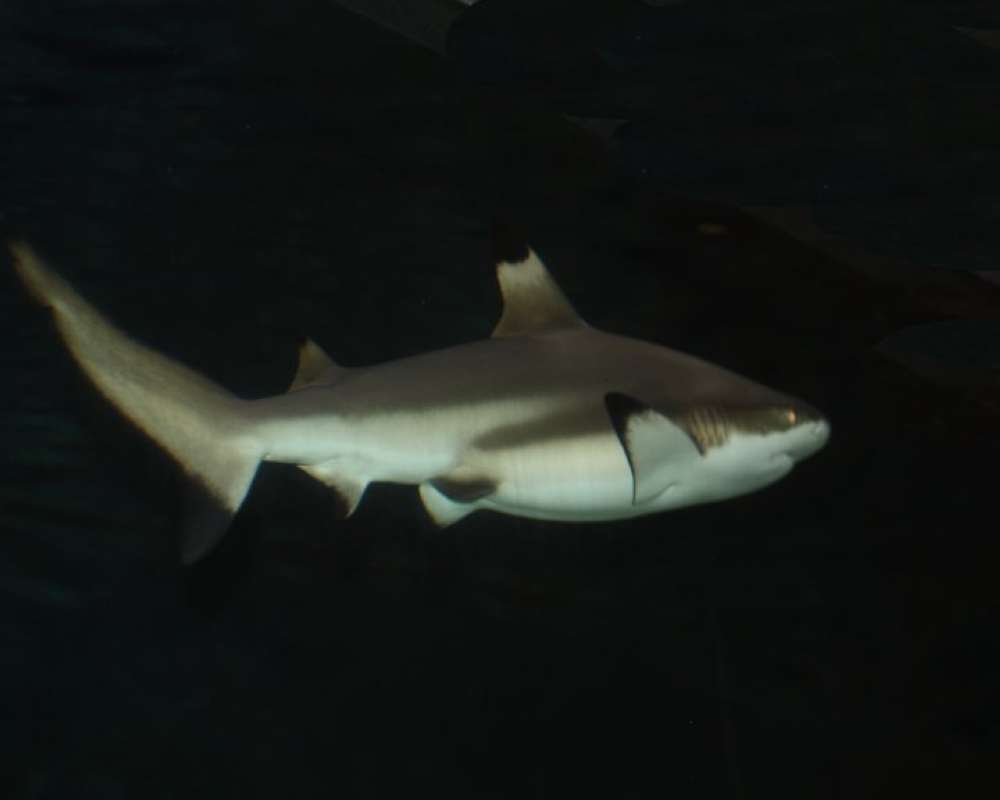
Spotted shark (Hemiscyllium ocellatum) is found primarily around the coast of northern Australia and also around the island of New Guinea. There is a possible extension into Indonesia. This is a small shark always less than 3 feet long, and typically only about 2 feet long.Long Tail Carpet Sharks (Family Hemiscyllidae) are found in the Indian and Pacific Oceans in warmer waters. The greatest concentration of species is from the island area between Malaysia and Australia. Many members of this family have an unusual long tail with membranes both above and below.
Nurse Sharks and Carpet Sharks (Order Orectolobiformes) contains the carpetsharks, the wobbegongs, and the nurse sharks. There are about 33 species in this order.
Sharks and rays (Elasmobranchi), cartilaginous fishes, deserve to be a class separate from the normal fish, in that they do not have a bone skeleton but rather a cartilage skeleton.
Fertilization is internal in this class which also separates them from the bony fish class. Although there are a few fresh water species, the majority of the species in this class are found in salt water. As of 2005, there were about 500 known species of sharks and about 600 known species of rays.
David Ebert, author of a recent book on sharks, rays, and chimaeras of California, counts a total of 988 described species in the class with about 150 additional species awaiting scientific description. He breaks down the described species to 410 species of sharks, 543 species of rays, and 35 species of chimaeras.
Many species of sharks face an uncertain future, as the Chinese purchase shark fins to make shark fin soup. It was estimated that 100 milllion sharks are killed each year for this purpose. However, recent estimates indicate the Chinese are reducing their consumption of this exotic soup.
Backboned Animals (Phylum Chordata) are the most advanced group of animals on earth. These animals are characterized by having a spinal cord or backbone. Most members have a clearly defined brain that controls the organism through a spinal cord. Fish, amphibians, reptiles, birds, and mammals are in this phylum.
Currently, some taxonomists believe that the fish should be divided into two groups (sharks and regular fishes) and that there are some other primitive groups in the phylum such as hagfish or lampreys.
Animal Kingdom contains numerous organisms that feed on other animals or plants. Included in the animal kingdom are the lower marine invertebrates such as sponges and corals, the jointed legged animals such as insects and spiders, and the backboned animals such as fish, amphibians, reptiles, birds, and mammals.