SPECIES INFO
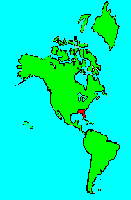
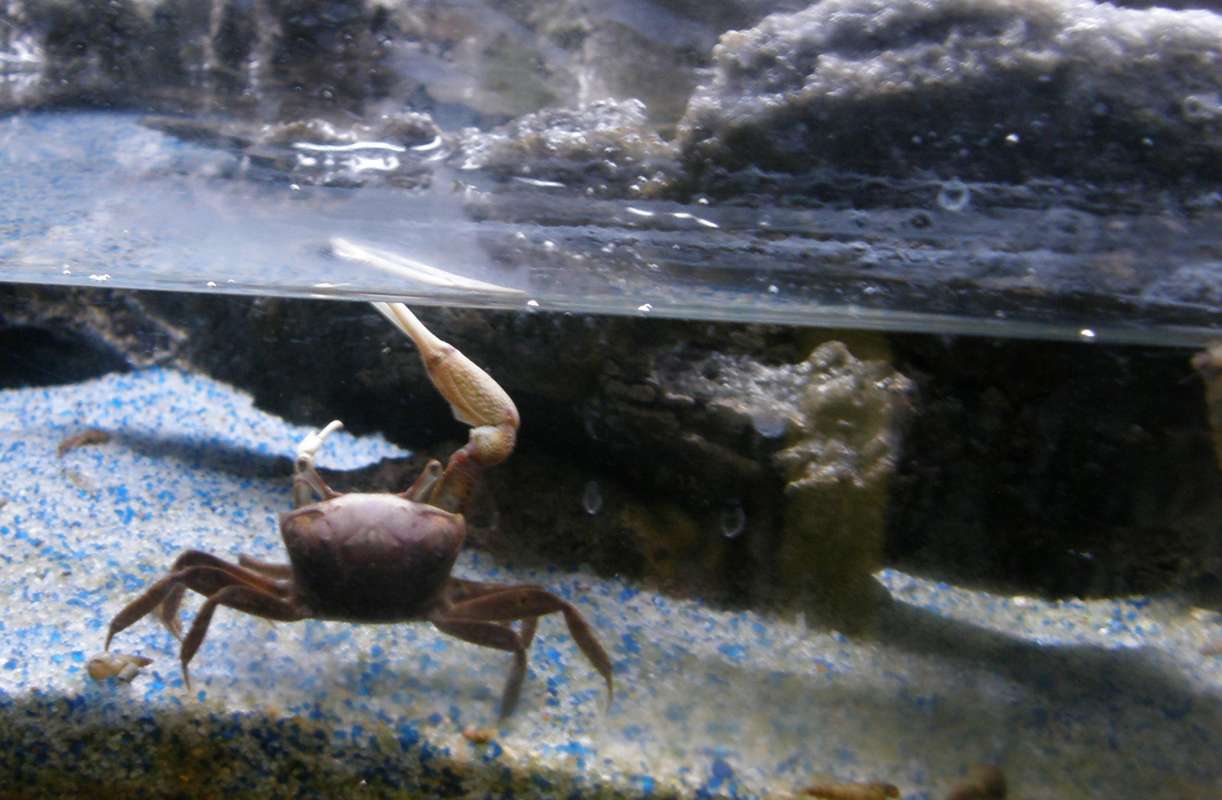
Red jointed fiddler crab (Uca minax) is found along the coasts of south eastern North America. This is usually found on areas that are in or near the tidal zones. The common name derives from the red that can be seen at the joints of the large pincher.The fiddler crab genus (Uca) is poorly represented in western North America with only one species found in southern California. However, in the south eastern United States, there are three endemic USA species and two Caribbean species that can be found as far north as NE Florida. Fiddler crabs have a single large front pincher coupled with a much small one. Fiddler crabs live near tidal zones, and dig burrows in the sand or mud, and are difficult to photograph as they retreat quickly when any movement is near.
Fiddler crabs (Ocypodoidea)are found on marine shores in many places in temperate and tropical areas. Many species have one pincher much larger than the other. When one approaches these animals on the shore, they are outside their burrows. However, they quickly hide from sight.
Hermit Crabs and Relatives (DecapodaNomura Section) contains the Hermit Crabs, mudshrimp and their relatives.
Shrimps and Crabs (Order Decapoda) contains most of the larger freshwater and marine species of crabs, crayfish, shrimp, and lobsters. They have a total of ten pairs of legs, four pairs of which are used for walking. Frequently the first pair of legs has been modified into pinchers used for eating and defense.
The following list divides the Decapoda into five different suborders that match their adult shapes:
Natantia - Shrimp-like
Brachyura - Crab-like
Anomura - Hermit Crabs and relatives
Astacidea - Crayfish and Lobster-like
Palinura - Spiny Lobsters and Spanish Lobster
The sub-classification of the Order Decapoda is in a state of change. For a short summary of this situation, please refer to pages two and three of Shrimps, Lobsters, and Crabs of the Atlantic Coast of the Eastern United States by Austin Williams published by the Smithsonian Press, Washington, D.C., in l984. If one uses adult shape for classification, one gets one organization, and if one uses larvae shape for classification, one gets a different organization.
Crustaceans (Class Crustacea) is a large class of mostly aquatic animals. Although many species are marine, there is a large number of small freshwater species and a few species of larger freshwater crayfish. There are many subdivisions to the Crustacea including such diverse animals as water fleas, fish lice, barnacles, crabs, shrimp, and crayfish. There are probably over 26,000 species in this class.
Jointed Legged Animals (Phylum Arthropoda) make up the largest phylum. There are probably more than one million different species of arthropods known to science. It is also the most successful animal phylum in terms of the total number of living organisms.
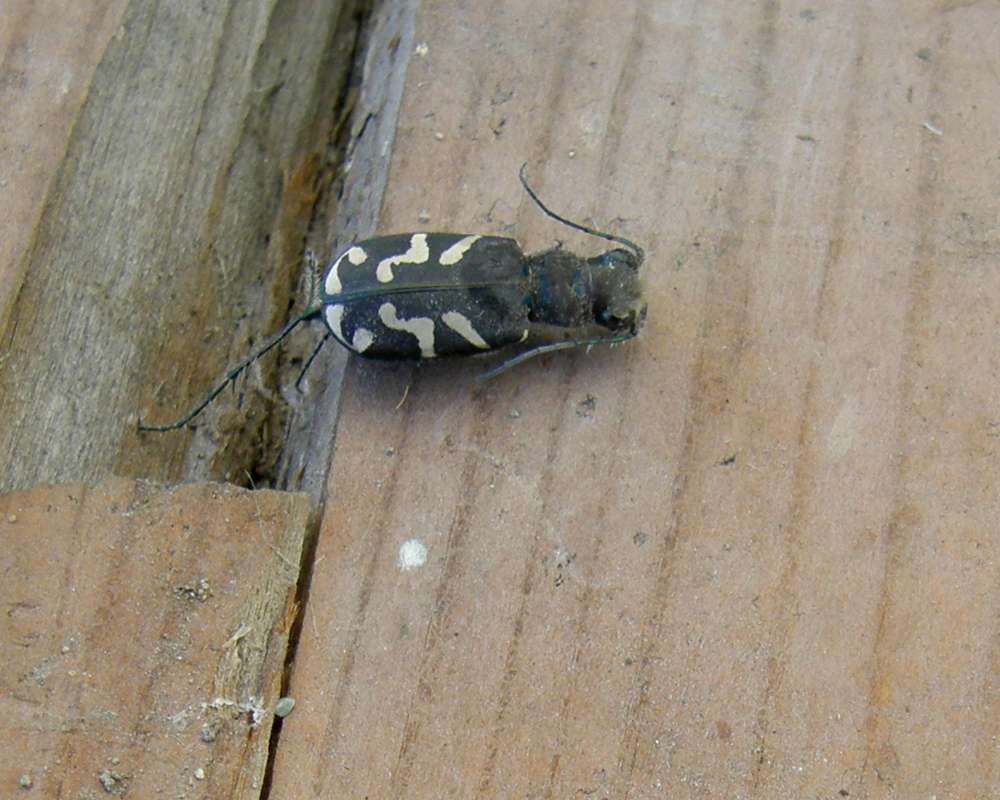
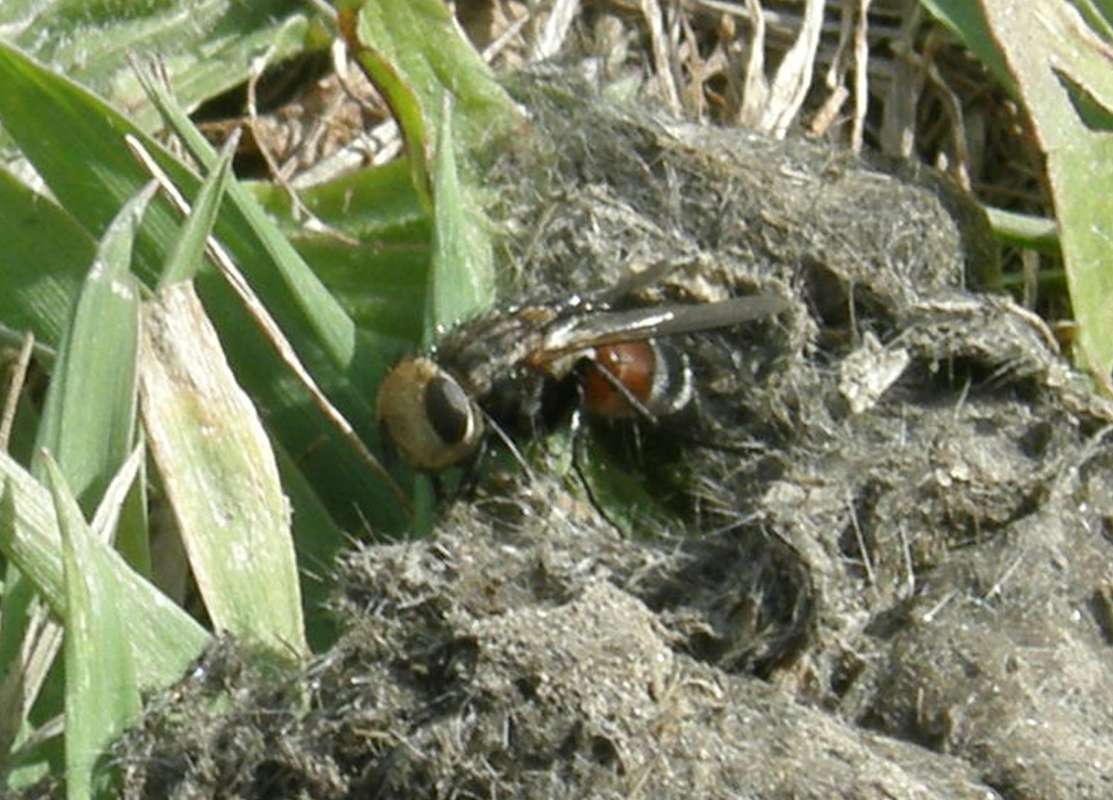
Butterflies, beetles, grasshoppers, various insects, spiders, and crabs are well-known arthropods.
The phylum is usually broken into the following five main classes:
Arachnida: - Spiders and Scorpions
Crustacea: - Crabs and Crayfish
Chilopoda: - Centipedes
Diplopoda: - Millipedes
Insecta: - Insects
There are several other "rare" classes in the arthropods that should be mentioned. A more formal list is as follows:
Sub Phylum Chelicerata
C. Arachnida: - Spiders and scorpions
C. Pycnogonida: - Sea spiders (500 species)
C. Merostomata: - Mostly fossil species
Sub Phylum Mandibulata
C. Crustacea: - Crabs and crayfish
Myriapod Group
C. Chilopoda: - Centipedes
C. Diplopoda: - Millipedes
C. Pauropoda: - Tiny millipede-like
C. Symphyla: - Garden centipedes
Insect Group
C. Insecta: - Insects
The above list does not include some extinct classes of Arthropods such as the Trilobites.
Animal Kingdom contains numerous organisms that feed on other animals or plants. Included in the animal kingdom are the lower marine invertebrates such as sponges and corals, the jointed legged animals such as insects and spiders, and the backboned animals such as fish, amphibians, reptiles, birds, and mammals.