SPECIES INFO
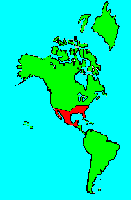
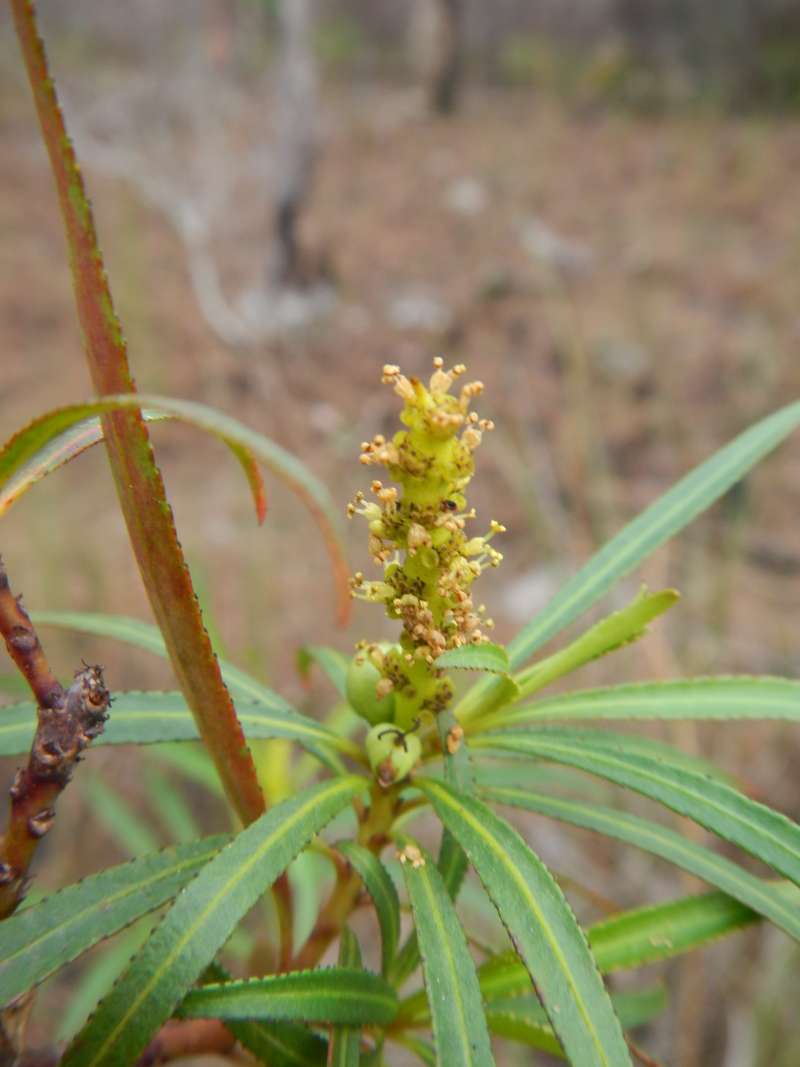
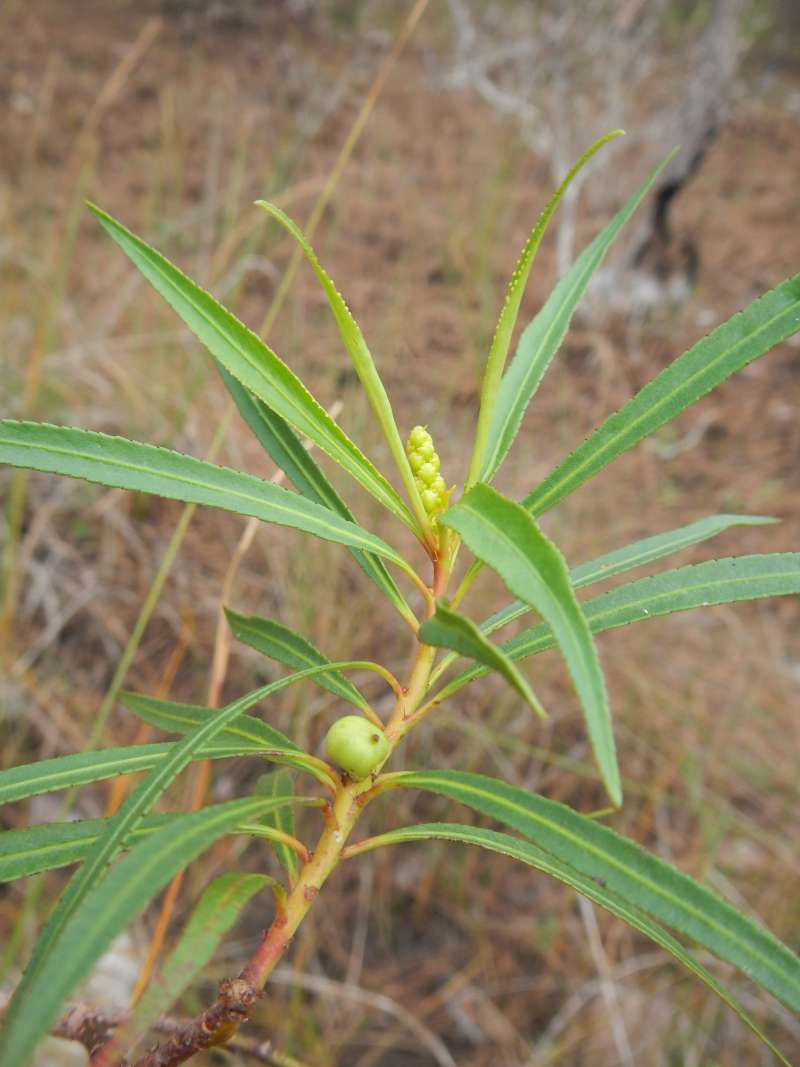
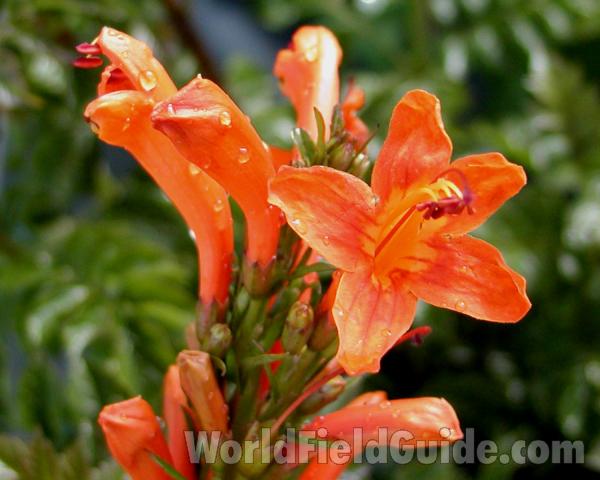
Queens delight (Stillingia angustifolia to Stillingia sylvatica) is found from Virginia south to Florida and east to Louisiana. This is also found widely in Texas. This would also be found in north eastern Mexico. The flowers are in a spiked cluster. The leaves are narrow at the base, but become wider towards the ends.Stillingia genus (queen's delight) contains about 30 species. These are found in the warmer and tropical areas of the New World. There are also some species in Madagascar and Fiji. The flowers are in a terminal spike. There are 7 species found in greater North America which includes Hawaii, Puerto Rico, and the Virgin Islands.
Spurge Family (Euphorbiceae) is found almost worldwide with the exception very northern North America and very northern Eurasia. This is a family of approximately 7,000 to 8,000 species of shrubs, herbs, and trees. There are maybe 2,000 different species in the Euphorbia genus. A common characteristic of most members of this family is a white sticky sap (latex) that will appear whenever a cut is made.
Included in this family is the Hevea genus which is the source for natural rubber. Manihot esculenta yields tropical foods including manioc, tapioca, and yucca. Many of the species in this family are stem succulents that can withstand considerable periods of low moisture. For a more detailed analysis of this family refer to the Encyclopedia of Succulents by Rowley. There are 372 species arranged in 46 genera growing in greater North America.
Geranium Order (Geraniales) is a large order composed of many different families. Included here are the Geranium, Oxalis, and Citrus groups.
Dicots (Dicotyledoneae Class) are the predominant group of vascular plants on earth. With the exception of the grasses (Monocots) and the Conifers (Gymnosperms), most of the larger plants that one encounters are Dicots. Dicots are characterized by having a seed with two outer shell coverings.
Some of the more primitive Dicots are the typical hardwood trees (oaks, birches, hickories, etc). The more advanced Dicots include many of the Composite (Aster) Family flowers like the Dandelion, Aster, Thistles, and Sunflowers. Although many Monocots reach a very high degree of specialization, most botanists feel that the Dicots represent the most advanced group of plants.
Seed plants (Phylum Embryophyta) are generally grouped into one large phylum containing three major classes: the Gymnosperms, the Monocots, and the Dicots. (Some scientists separate the Gymnosperms into a separate phylum and refer to the remaining plants as flowering plants or Angiospermae.)
For North American counts of the number of species in each genus and family, the primary reference has been John T. Kartesz, author of A Synonymized Checklist of the Vascular Flora of the United States, Canada, and Greenland (1994). The geographical scope of his lists include, as part of greater North America, Hawaii, Alaska, Greenland, Puerto Rico, and the Virgin Islands.
Kartesz lists 21,757 species of vascular plants comprising the ferns, gymnosperms and flowering plants as being found in greater North America (including Alaska, Hawaii, Greenland, Puerto Rico and the Virgin Islands.
There are estimates within the scientific world that about half of the listed North American seed plants were originally native with the balance being comprised of Eurasian and tropical plants that have become established.
Plant kingdom contains a large variety of different organisms including mosses, ferns, and seed plants. Most plants manufacture their energy from sunlight and water. Identification of many species is difficult in that most individual plants have characteristics that have variables based on soil moisture, soil chemistry, and sunlight.
Because of the difficulty in learning and identifying different plant groups, specialists have emerged that study only a limited group of plants. These specialists revise the taxonomy and give us detailed descriptions and ranges of the various species. Their results are published in technical journals and written with highly specialized words that apply to a specific group.
On the other hand, there are the nature publishers. These people and companies undertake the challenging task of trying to provide easy to use pictures and descriptions to identify those species.