SPECIES INFO
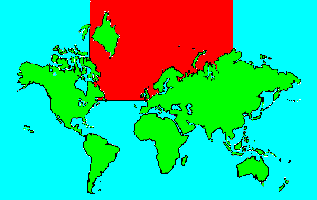
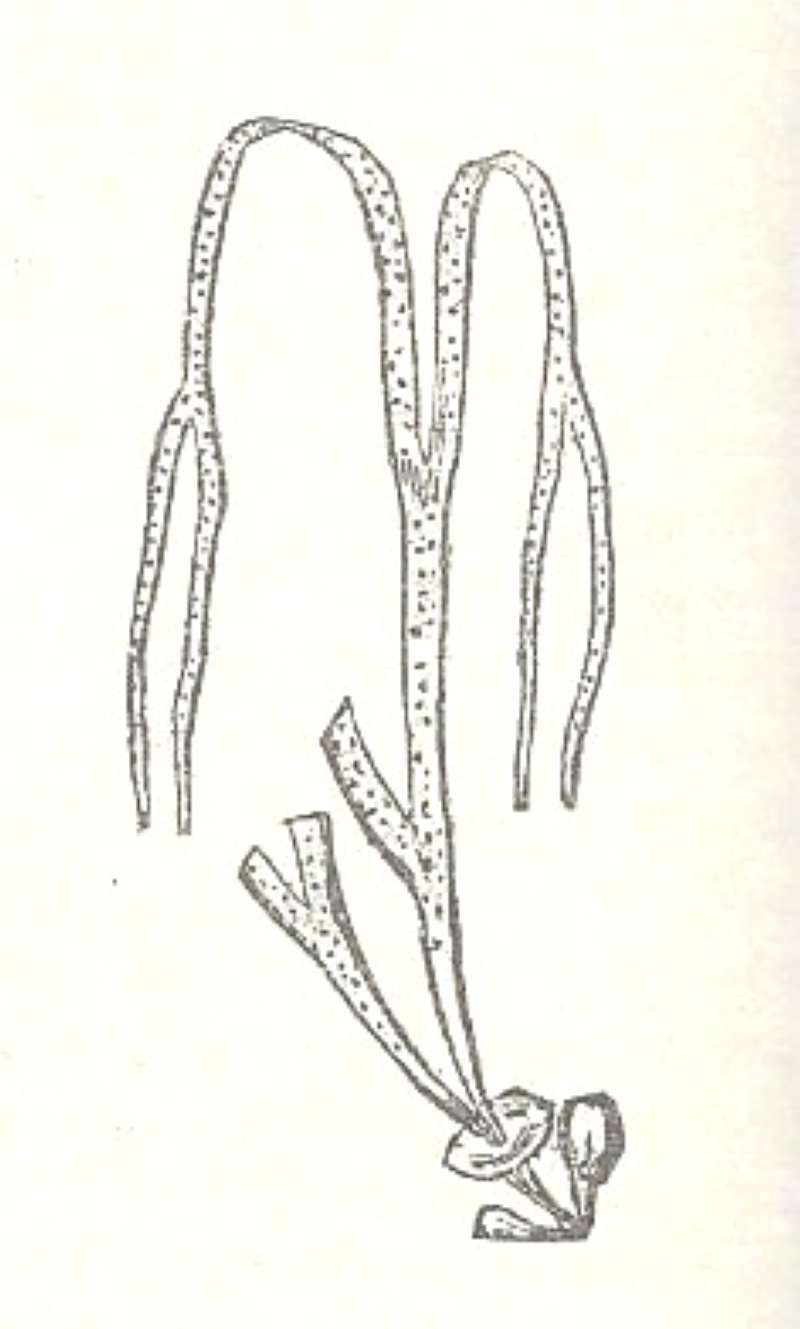
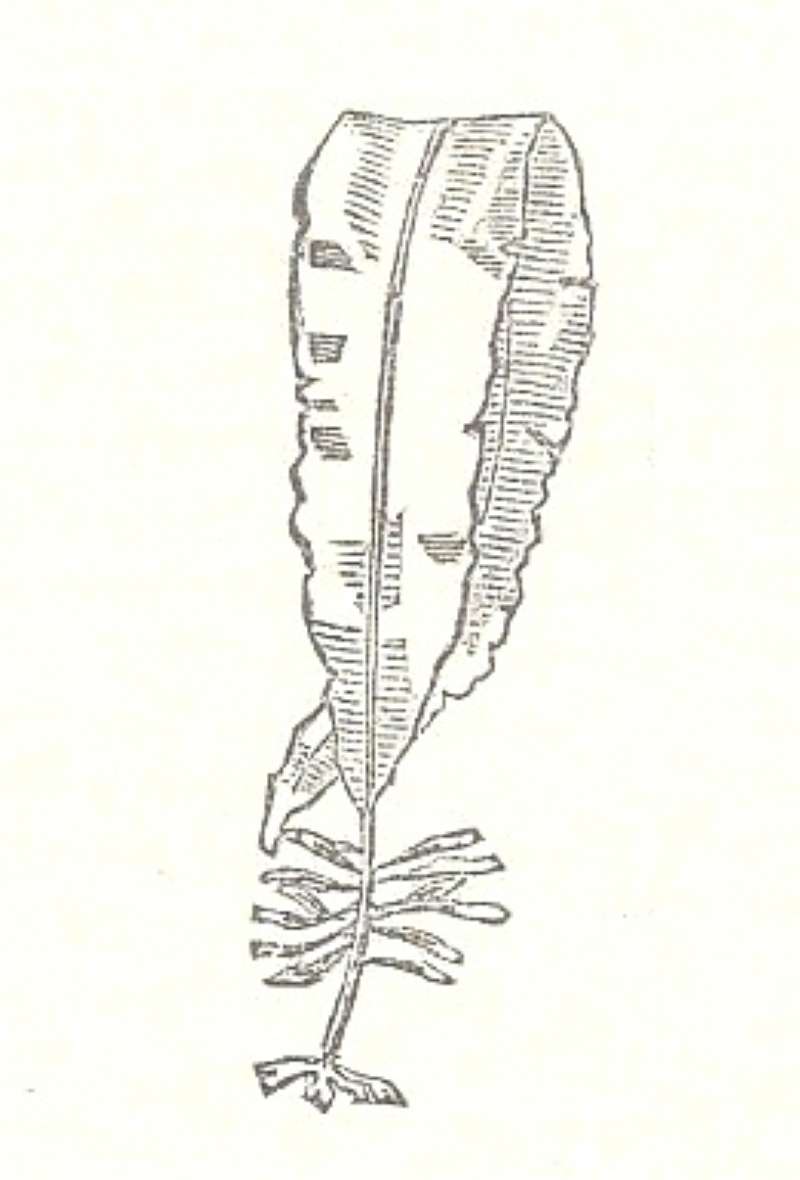
Himanthalia lorea is commonly found near/on marine shores in the vicinity of England. This algae can be found from slightly above low tide water level down to a depth of about 8 feet below mean sea level. The length can be from about 8 inches to about 36 inches in length. This species was described by Linnaeus.Brown Algae Group (Phaedophyta) is usually broken into three main categories: The Chrysophyta, the Pyrrophyta, and the Phaeophyta. Golden Brown Algae Group (Chrysophyta) has about 6,000 species. Fire Algae Group (Pyrrophyta) contains about 1,000 species. The group has a broad habitat base from parasites to the marine algae that produce the red tides. Brown Algae Group (Phaeophyta) has about 1,000 species. Most of these are marine seaweeds with the giant kelps as typical examples.
Protista kingdom (sometimes spelled as Protoctista) contains numerous phyla including unicellular animals and algae. Generally, these are aquatic life forms. The number of species is difficult to estimate, and it might be as low as 60,000 and as high as 200,000.
There is discussion among scientists as to whether this group of lifeforms should be split into two different kingdoms. One for those that make their own food, and the other for those that eat food. They suggest: Chromista and Protozoa.
Although herein we follow conventional norms and recognize 9 phyla, it has been suggested there might be 50 different phyla herein. These lifeforms have been found as far back as 1.2 billion years ago.